 Kakobuy Spreadsheet
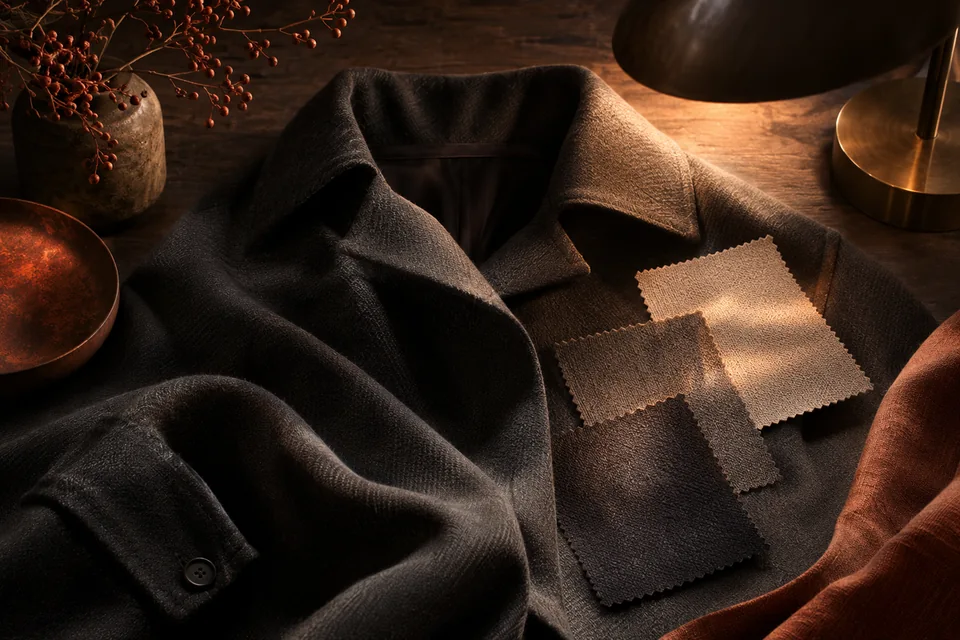
Describe the colour distinction that changes your choice
A listing calls a tee ‘stone’. It looks grey in one photo and beige in another. Put your purchase condition in the Kakobuy Spreadsheet. You might write ‘I need the tee to look closer to grey than to sand beside a grey jacket in daylight.’ Wait for a comparable view to judge the shade itself.
First identify the size and option label shown in every image. Promo shots of one variant are weak evidence about a different variant. Put the option label and source next to each saved image so you can see which pair can even be compared.
Ask for two surfaces in one frame
The most direct request is for the selected tee and a plain, neutral comparison object side by side in the same light. Ask for the surfaces at a similar angle without a direct flash or colour filter. A second photo in diffuse daylight can show whether the visual difference survives another lighting setting.
Observe the fabric relative to the neutral surface in each frame. If the surface itself looks yellow in one shot, the apparent warmth of the tee in that shot is harder to interpret. If the fabric repeatedly looks warmer than the surface in both images, write that relative observation. Camera processing, the neutral object itself and your screen still limit a precise colour match.
Save what the evidence settles and what stays open
In the tee example, suppose the photographed fabric appears warmer than the neutral object in both images. If choosing a cooler tee is essential, try a named alternative and ask for that alongside the first candidate in one frame. Record it as a comparison between the photographed garments, with a date.
If the two views disagree, save ‘lighting-sensitive in supplied photos’ and keep the row unresolved. For a garment where matching colour is the main reason to buy, uncertainty can be enough to hold the decision. For an item worn on its own, the same evidence may suffice.