 Kakobuy Spreadsheet
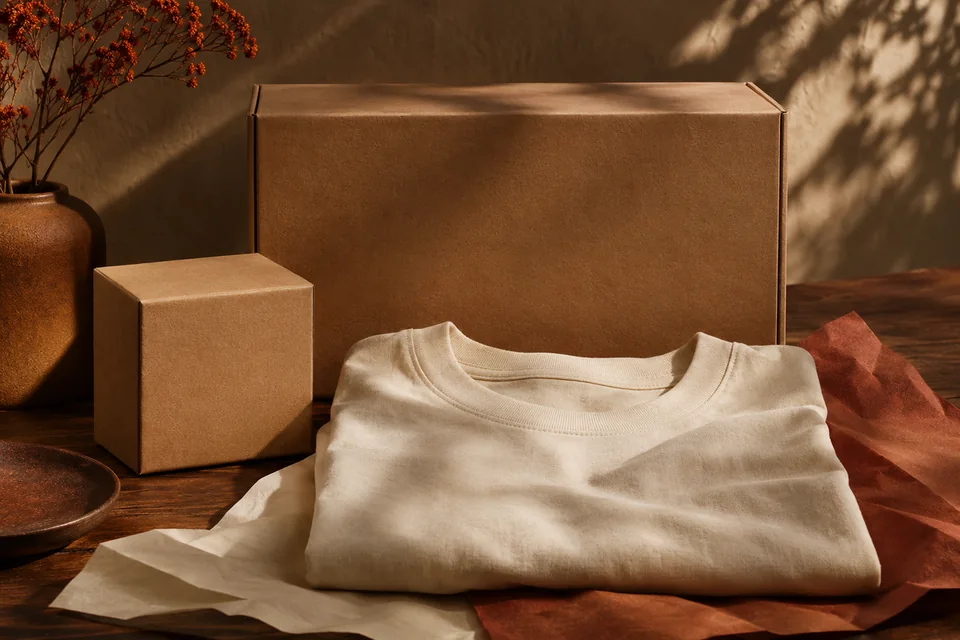
Compare packed versions of the same order
Give each carton a row in the Kakobuy Spreadsheet. Record the same items and destination in both rows. Keep three different fields for measured outer dimensions, actual packed weight and the protective materials that will be used. A measurement of an empty carton or an unpacked item is an estimate input.
For an example, pack a knit and a rigid keepsake box. A roomy parcel could measure 40 × 30 × 25 cm and weigh 2.8 kg. A compact parcel with adequate padding could measure 36 × 28 × 18 cm and weigh 2.7 kg.
Run both rows through the same billing assumptions
Suppose a route divides cubic centimetres by 5,000 and uses the greater of volumetric and actual weight. The roomy parcel comes to 6 kg by volume. The compact one comes to 3.63 kg by volume before rounding. Both actual weights are below those figures.
If that example route rounds up to a whole kilogram, the rows land at 6 and 4 kg. On a route that bills only by actual weight and rounds the same way, both land at 3 kg. Confirm the real divisor, rounding, size limits and price bands for the route you are considering. A smaller box only helps the quote when those rules make the size difference relevant.
Put the packing requirement beside the number
Write down what must stay intact. If the rigid box itself is a gift, agreeing to ship the contents without it defeats the purpose. Ask whether the compact option keeps enough space for the required protection and whether the dimensions include the packed exterior. Save any extra packing fee in that same scenario.
The worksheet can end with an instruction such as ‘keep the box intact and choose the compact option only if the packed estimate falls into the lower price band’. Recheck both estimates when the dimensions are available. If protective packing makes them land in the same band, decide using the protection and convenience you actually get.